For many women, a diagnosis of endometriosis comes with a heavy cloud of uncertainty regarding the future. It is one of the most common questions I hear in my clinic: "Does this mean I can’t have children?"
The short answer is: Absolutely not. While endometriosis can make the journey to conception more complex, a diagnosis is not a sentence of infertility. With specialist mapping, a clear clinical roadmap, and the right intervention, many women with endometriosis go on to have healthy, successful pregnancies.
How Does Endometriosis Affect Fertility?
To navigate the path forward, it is important to understand how the condition interacts with your reproductive system. Endometriosis affects fertility in several distinct ways:
- Anatomy and Tubal Health: Endometrial-like tissue can cause adhesions or scarring that may physically block the fallopian tubes, preventing the egg and sperm from meeting.
- The Pelvic Environment: Endometriosis is an inflammatory condition. This inflammation can affect the quality of the "pelvic fluid," potentially impacting sperm motility or the delicate process of fertilization.
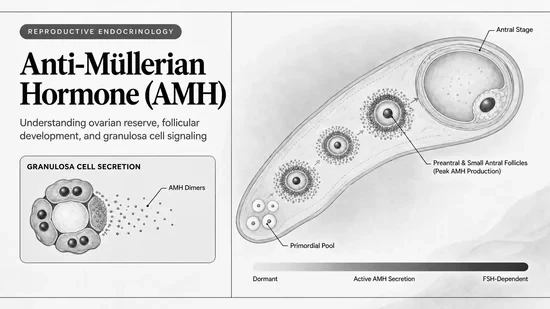
- Ovarian Reserve (The AMHAnti-Müllerian hormone Factor): When endometriosis forms on the ovaries (often called "chocolate cysts" or endometriomas), it can affect the healthy ovarian tissue and your overall egg reserve.
- Egg Quality and Implantation: Chronic inflammation can sometimes interfere with the quality of the eggs or the receptivity of the uterine lining, making it harder for an embryo to implant.
The Importance of Specialist Mapping
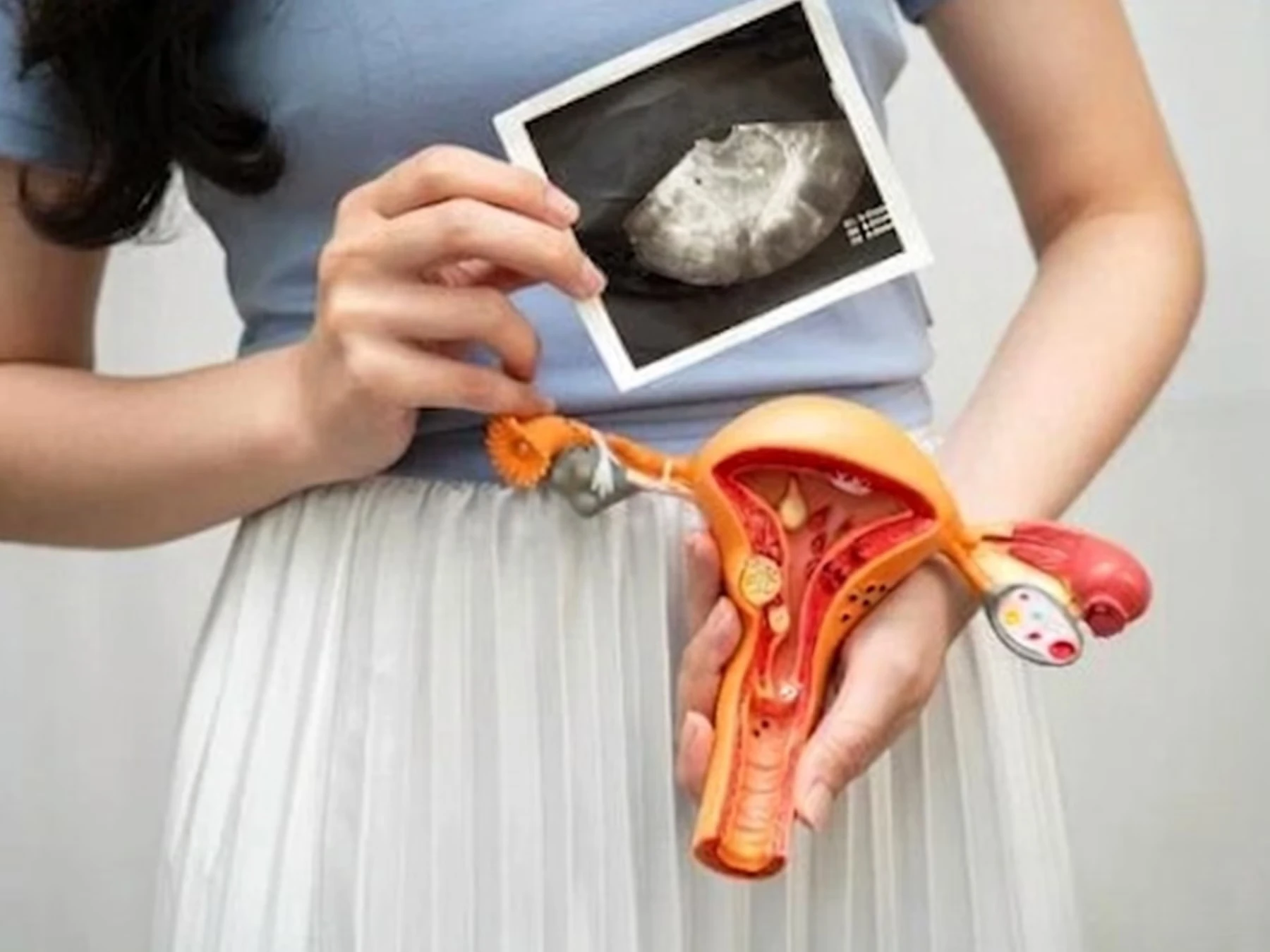
One of the greatest hurdles for patients is that standard ultrasounds often miss deep infiltrating endometriosis. As a specialist, I utilize advanced gynaecological scanning to perform "mapping." This allows us to see exactly where the deposits are, whether the ovaries are mobile, and if there are structural barriers to conception.
Knowing exactly what we are dealing with is the first step in moving from a place of "waiting and seeing" to a place of "acting and achieving."
Your Pathways to Conception
Every patient is unique, and your treatment should be too. Depending on the severity of your symptoms and your goals, our strategy might include:
- Specialist Consultation: Discussing your history to determine if "natural" conception is likely or if help is needed sooner.
- Surgical Intervention: In many cases, the specialist excision of endometriosis can significantly improve natural conception rates by restoring pelvic anatomy.
- Assisted Reproduction (IVFIn vitro fertilisation): If the fallopian tubes are blocked or ovarian reserve is a concern, IVF is a highly successful pathway that bypasses many of the hurdles created by endometriosis.
- Hormonal & Lifestyle Optimization: Reducing systemic inflammation through diet, supplements, and lifestyle changes to support egg quality.
The Specialist’s Message
If you have endometriosis, your path to parenthood might look different than you originally imagined, but that does not make it any less possible. The key is early intervention and specialist-led care. Don’t wait for years of "unexplained" infertility before seeking an expert opinion.
Take Control of Your Fertility Journey If you are concerned about endometriosis and your future family plans, book a Specialist Fertility & Gynaecology Consultation at Althea. Let’s create your roadmap together.