Cookie settings

Choose which cookies we can use. You can change your mind at any time from “Cookie settings” at the bottom of every page.

Read more in our privacy notice.

Open 7 days.

0116 504 2929WhatsApp 07882 789455

Book an appointmentBook an appointment

Hormonal Health Assessment in Leicester

Hormonal imbalance can affect your body in many ways, with varied symptoms and an impact on your cycle. We offer a specialist consultation to understand your symptoms, request blood tests and take it from there. We can answer your concerns, whether they relate to irregular periods, PCOSPolycystic ovary syndrome, fertility, perimenopause or menopausal symptoms. We explain which measurements may help, which may mislead, and what the findings could mean for your next decision.

Or call 0116 504 2929

Three women seen from behind, sitting cross-legged on yoga mats with their hands raised above their heads

Prices

What hormone blood tests cost, and what’s included.

Hormonal health

Hormone tests and specialist advice for PCOS (now called PMOSPolycystic metabolic ovary syndrome, the proposed new name for PCOS), Perimenopause and Menopause.

  • Tests chosen for your symptoms and clinical need
  • Each test is priced individually, and we tell you the price before you go ahead
  • Hormone blood testsPriced with your clinician
  • New patient consultation£150
  • Follow-up consultation£100

Choose the question you want to explore

These are discussion routes, not confirmed packages. The exact tests, preparation and charge need to be agreed before booking.

PCOS/PMOS

Who it’s for

For irregular cycles, signs of androgen excess or a previous PCOS diagnosis. Blood tests are interpreted with symptoms and, when relevant, ultrasound and metabolic health.

Hormones that can be affected

  • FSHFollicle-stimulating hormone
  • LHLuteinising hormone
  • TSHThyroid-stimulating hormone
  • Prolactin
  • SHBG
  • Testosterone
  • Free androgen index

Read more about PCOS assessment

Perimenopause and menopause

Who it’s for

For symptoms such as changing periods, hot flushes or sleep disruption. A clinical conversation is usually more useful than a single hormone level, especially later in reproductive life.

Hormones that can be affected

  • FSH
  • LH
  • Oestradiol
  • SHBG
  • Testosterone
  • TSH

Read more about menopause assessment

Male fertility

Who it’s for

For a partner's fertility concerns, usually alongside a semen analysis and clinical history. Hormone measurements are selected when there is a reason to investigate further. These tests should be done before 9:00 am.

Hormones that can be affected

  • FSH
  • LH
  • Testosterone
  • TSH

Read more about male fertility assessment

Female fertility

Who it’s for

For questions about ovulation, ovarian response or a fertility assessment. The clinician chooses tests with your history and cycle in mind; AMHAnti-Müllerian hormone cannot predict spontaneous conception.

Hormones that can be affected

  • AMH
  • TSH
  • Timed serum progesterone, to check for ovulation

Read more about ovarian reserve (AMH and follicle count)

Two stacks of letter blocks on a table, one spelling PCOS and the other PMOS

PCOS and the emerging PMOS name

You may see PCOS described as polycystic metabolic ovary syndrome, or PMOS, in newer discussions. The proposed name draws attention to metabolic health as well as cycles and fertility. The terminology is still evolving, so tell us which name you have been given and what symptoms matter to you. A change in language does not by itself change your diagnosis or mean that one test can settle it. We can discuss cycle patterns, androgen symptoms, metabolic factors and whether a scan contributes to the assessment.

Read about PCOS and PMOS

Menopause symptoms need more than a hormone number

Periods may become less predictable as you approach menopause. Sleep disruption, hot flushes, changes in mood or vaginal symptoms can be just as important to discuss as bleeding patterns. In otherwise healthy people aged forty-five or over, NICENational Institute for Health and Care Excellence recommends identifying perimenopause and menopause from the clinical picture without routine laboratory tests. A fluctuating result cannot reliably confirm or dismiss what you are experiencing.

For younger people, or when another condition may explain symptoms, selected tests can have a role. Medication and contraception can make interpretation harder. We can discuss symptom management, the benefits and risks of treatment options, and when a GP or menopause specialist should be involved. The point of a consultation is to understand the effect on your life and support an informed choice, not to attach a label to a single reading.

If treatment is right for you, the consultant can talk through hormone replacement therapy (HRT) and non-hormonal options, including how each may help, their risks and how they fit with your medical and family history. A private prescription for medication can be provided. Lifestyle changes such as sleep, exercise and reducing alcohol and caffeine can also ease some symptoms. We review how you are getting on at follow-up, because needs often change through perimenopause and after menopause.


Why the conversation matters as much as the blood test

A laboratory result is a measurement at one moment. Hormones vary with the menstrual cycle, time of day, medication, illness and life stage. An isolated number from a home kit may raise questions that need a clinical history to answer. We start by asking what you have noticed and what decision the test might inform.

Sometimes the useful answer is to test a particular hormone at a particular time. Sometimes an examination, scan or discussion of symptoms is more helpful than a broad panel. You can bring results from elsewhere for review. We will explain the reference range, the limits of the test and whether an unexpected result needs repeating or another investigation. A blood test alone should not become a diagnosis or a treatment plan.

What individual hormones can tell you

Only the tests relevant to your question should be selected. These descriptions are guides to discussion, not a confirmed list of an Althea package.

FSH and LH

These signals from the brain help regulate ovarian or testicular function. Their meaning depends on cycle timing, age, medication and the clinical question.

Oestradiol and progesterone

These change through a menstrual cycle. Progesterone can help assess whether ovulation has occurred when sampled at an appropriate time; oestradiol needs similar timing context.

AMH

This informs ovarian reserve and likely response during assisted conception. It does not measure egg quality or predict natural conception.

Prolactin and thyroid hormones

These can be relevant to cycle changes or other symptoms. An out-of-range result may need review or repetition rather than an immediate conclusion.

Testosterone and related androgens

These can help assess androgen excess, or deficiency in menopausal women, and can be useful for selected male fertility patients. Symptoms, medication and the laboratory method all affect interpretation.

Metabolic markers

Some assessments consider glucose, HbA1c, lipid profile and vitamin D alongside other hormonal tests. Overall metabolic health can affect your symptoms and how you feel.

How hormone testing works

  1. Agree the question

    In a consultation, explain your symptoms and what you want to decide. The clinician reviews prior results and recommends a focused test or another assessment. You should know which measurements are being ordered and why.

  2. Plan the sample

    The team advises on timing, preparation and the blood draw appointment. You are given the blood forms on the same day, but the blood draw is booked for another time at a different site. Tell the team if you take hormones, supplements or other medicines, or if pregnancy is possible.

  3. Review the result

    Results are returned after the laboratory has processed them, usually within 5 to 7 days. They are analysed in an accredited laboratory rather than with spot tests. Your results are discussed in a follow-up consultation with a specialist, who explains what the numbers mean in your context and the next steps of treatment. The results are then shared with you electronically, so you have a record of them.

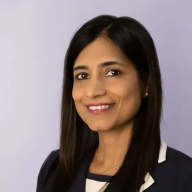
  • Miss Neelam Potdar, Consultant Gynaecologist

    Miss Neelam Potdar

    Consultant Gynaecologist and Subspecialist in Reproductive Medicine & SurgeryGMCGeneral Medical Council 5207836

    Miss Neelam Potdar reviews hormone questions through the lens of symptoms and life stage. She can help decide which measurements are useful for fertility, PCOS or PMOS, and menopause-related concerns, then explain a result in its clinical context. Her consultation focuses on what the finding changes for you, including when another assessment would be more useful. She is a member of the British Menopause Society and a co-founder of the East Midlands Menopause Society.

    Read Miss Potdar’s full profile

Schedule your visit

Choose the appointment you need. Each option opens the right booking form in our secure booking system.

Appointment type

Our clinical expertise

Research our clinicians have led or contributed to, in plain English.

Common questions

Can I ask my GP for a hormone blood test?

Yes. Your GP can decide which tests are appropriate for your symptoms and may arrange them through the NHS. Bring any results to a consultation so they can be considered before another sample is taken.

Can I get a hormone test on the NHS?

The NHS offers hormone tests when clinically indicated. The choice of test depends on your symptoms, age, medication and the question being investigated. Your GP can explain the local route.

How much does a private hormone test cost?

The price of private hormone tests depends on which tests are required. You can discuss this at the consultation, and we will give you the costs involved.

Can a blood test confirm perimenopause?

Usually a single blood result cannot do that. NICE recommends identifying perimenopause from symptoms and menstrual history in otherwise healthy people aged forty-five or over. Blood tests may be useful in selected younger people or when investigating another possible cause.

What day of my cycle should I test hormones?

It depends on the hormone and the question. Some levels change substantially through the cycle; others are used differently. Share your cycle dates and any hormonal medication before booking so the clinician can advise on timing.

Do I need to fast for hormone testing?

That depends on the tests chosen, particularly if metabolic markers are included. Please follow the instructions given with your appointment and ask if they are unclear.

How long do hormone results take?

Blood test results are usually back within 5 to 7 days. We will confirm the estimate for your tests when they are agreed. A result should be interpreted in context rather than acted on from a portal number alone.

Further information and support

Sources & clinical references

  1. National Institute for Health and Care Excellence. Fertility problems: assessment and treatment (NG257) (opens in a new tab). 2026.
  2. National Institute for Health and Care Excellence. Menopause: identification and management (NG23) (opens in a new tab). 2015.
  3. How to manage an adolescent girl presenting with features of polycystic ovary syndrome (PCOS); an exemplar for adolescent health care in endocrinology. Clinical Endocrinology. 2014. PubMed 24826983 (opens in a new tab) · DOI 10.1111/cen.12501 (journal, may require subscription) (opens in a new tab)
  4. Can obesity pharmacotherapy be used to manage male infertility? Nature Reviews Endocrinology. 2025. PubMed 40659795 (opens in a new tab) · DOI 10.1038/s41574-025-01151-7 (journal, may require subscription) (opens in a new tab)
  5. Iatrogenic Menopause After Treatment for Cervical Cancer. Clinical Oncology. 2016. PubMed 27683104 (opens in a new tab) · DOI 10.1016/j.clon.2016.08.016 (journal, may require subscription) (opens in a new tab)

This page is general information and not a substitute for individual medical advice.