Are you experiencing anxiety, poor sleep, brain fog or unexpected changes in your periods? You may be entering perimenopause, even if your periods haven't stopped.
Many women associate menopause with hot flushes and the end of menstruation. However, hormonal changes often begin several years earlier, bringing symptoms that can be confusing and sometimes overlooked.
What is perimenopause?
Perimenopause is the transition leading up to menopause, when ovarian hormone levels begin to fluctuate.
It commonly starts in the 40s, although some women experience changes earlier.
During this time, oestrogen levels can rise and fall unpredictably. Menstrual cycles may become shorter, longer, heavier or irregular, while other symptoms appear gradually.
Symptoms you might not expect
Hot flushes are well recognised, but perimenopause can affect women in less obvious ways.
Common experiences include:
- Increased anxiety, irritability or mood changes
- Brain fog and difficulty concentrating
- Disturbed sleep and persistent tiredness
- Heart palpitations
- Joint aches and headaches
- Reduced libido or vaginal dryness
- Changes in menstrual bleeding
Some women describe feeling unlike themselves, despite previously having no significant health concerns.
These symptoms deserve attention rather than being automatically attributed to stress or ageing.
Do you need a hormone blood test?
A common misconception is that perimenopause can always be confirmed through a simple blood test.
Because hormone levels fluctuate significantly, a single test may not provide useful answers.
For otherwise healthy women aged 45 or over with typical symptoms, current UK guidance recommends identifying perimenopause through symptoms and menstrual history rather than routine hormone testing.
Women experiencing symptoms before 45 may require further assessment.
Can perimenopause be treated?
Absolutely. Women do not need to wait until their periods stop before seeking help.
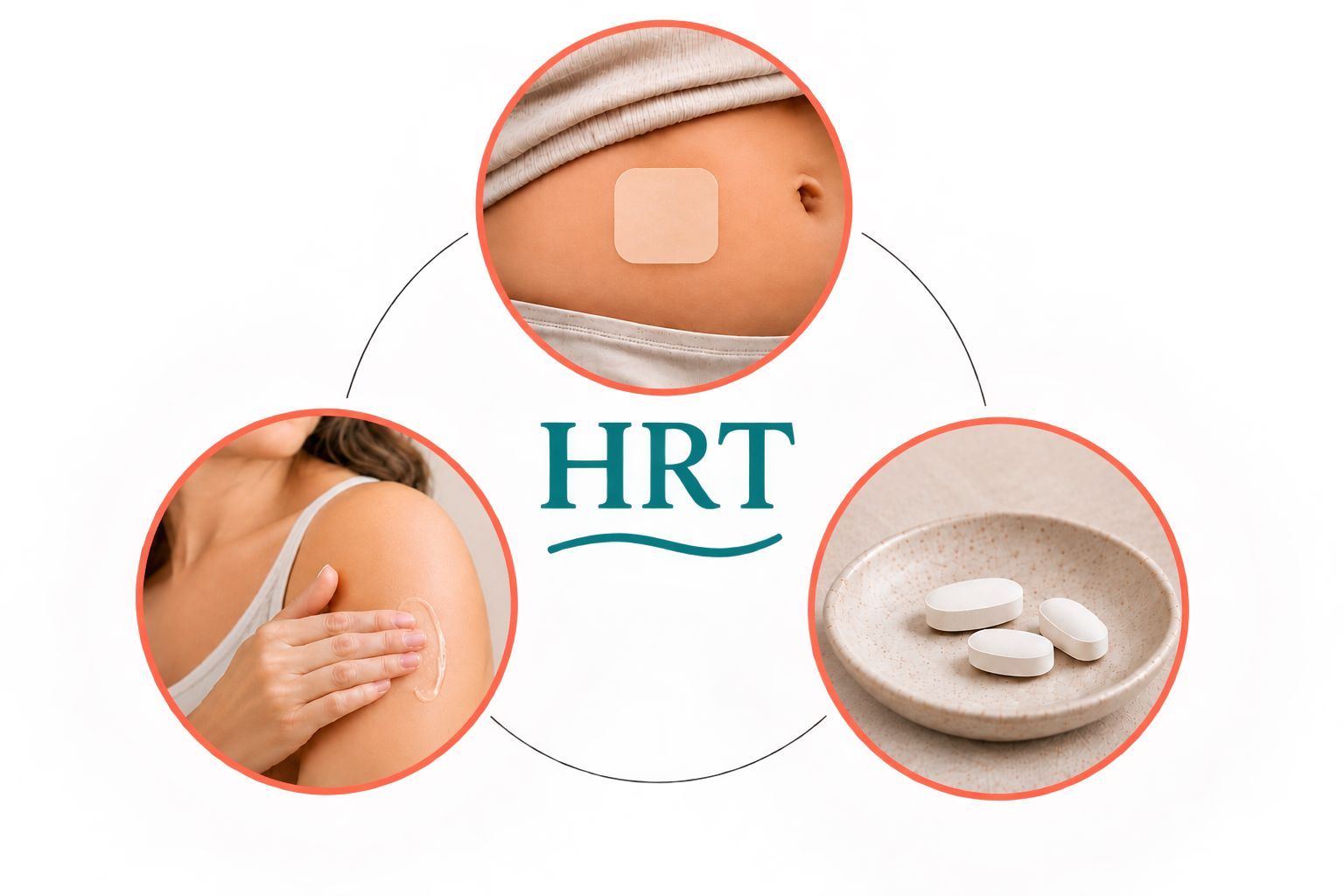
Depending on individual circumstances, treatment may include HRTHormone replacement therapy, hormonal contraception, targeted symptom management and lifestyle support.
HRT is not contraception, and pregnancy remains possible during perimenopause.
Importantly, unusually heavy bleeding, bleeding between periods or bleeding after sex should not simply be assumed to be hormonal and should be assessed.
Listening to your body
Perimenopause is an individual experience. Recognising changes early can help women make informed decisions about their wellbeing.
At Althea Women's Health, we believe women deserve to feel heard, understood and supported throughout their hormonal transitions.
If symptoms are affecting your daily life, a personalised clinical assessment can help identify appropriate investigations and treatment options.