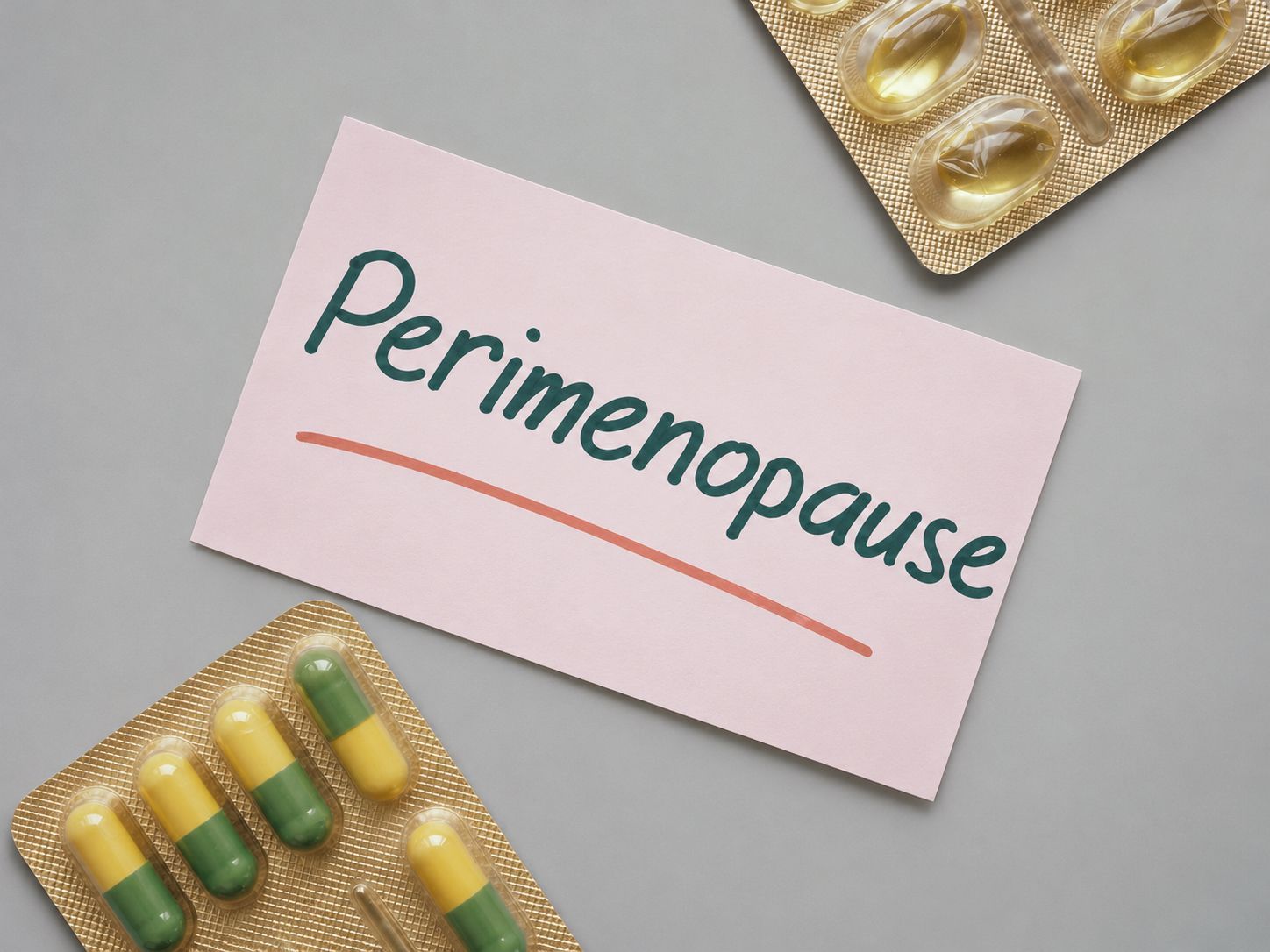
Menopause is a natural stage of life, but it doesn't mean you have to simply put up with uncomfortable symptoms. With greater awareness and advances in treatment, women now have more opportunities to manage their symptoms and protect their long-term health.
What happens during menopause?
Menopause is reached when a woman has gone 12 consecutive months without a menstrual period, provided she is not using hormonal contraception that affects bleeding. It usually occurs between the ages of 45 and 55, although some women experience it earlier.
As oestrogen levels decline, women may notice hot flushes, night sweats, disturbed sleep, vaginal dryness, joint discomfort and changes in mood. Difficulties with memory and concentration, often described as brain fog, are also increasingly recognised.
Symptoms vary considerably. Some women experience very few difficulties, while others find that menopause affects their relationships, confidence, work and quality of life.
Is hormone replacement therapy (HRT) safe?
One of the most frequently discussed aspects of menopause is the safety of HRT.
Current evidence shows that, for many healthy women under 60 experiencing menopausal symptoms, the benefits of HRT are likely to outweigh the risks.
HRT can effectively relieve hot flushes, night sweats and other symptoms. It also helps protect bone health.
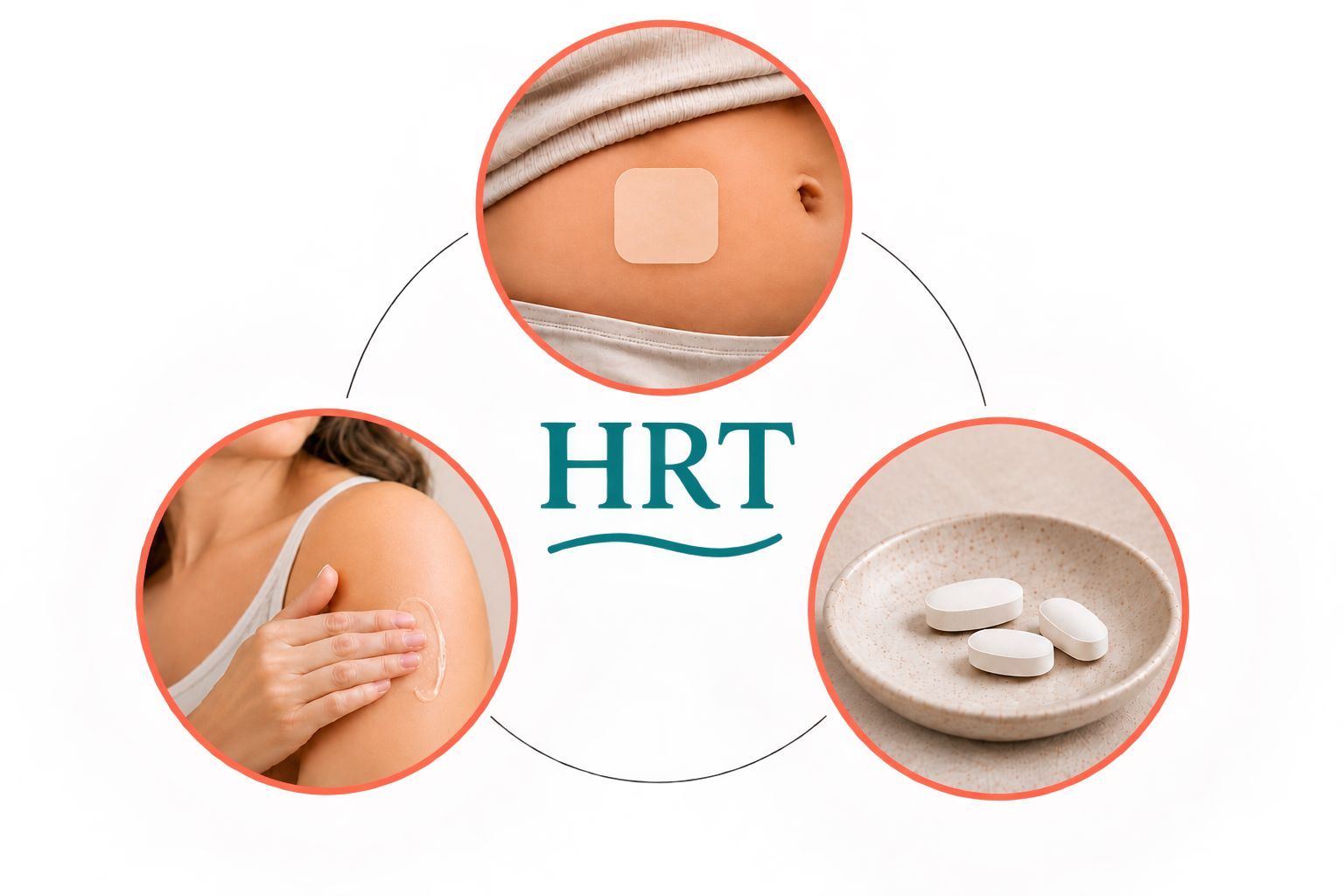
Treatment is individualised. Oestrogen patches, gels and sprays are available alongside tablets, and women with a uterus generally require progesterone or a progestogen to protect the womb lining.
The suitability of HRT depends on individual medical history and risk factors, particularly regarding breast cancer and blood clots.
What about weight gain and brain fog?
Changes in body composition, particularly increased abdominal fat, are common around menopause. Ageing, sleep disruption and hormonal changes may all contribute.
Regular resistance exercise, balanced nutrition, adequate sleep and maintaining muscle strength can support long-term health.
Persistent brain fog or fatigue should also be assessed, as other conditions can cause similar symptoms.
Taking control of your menopause
There is no single approach that suits every woman. HRT, menopause-specific cognitive behavioural therapy, lifestyle measures and treatments for vaginal symptoms can all play valuable roles.
At Althea Women's Health, we believe menopause care should be personal, evidence-based and centred on your individual needs.
Understanding your symptoms and discussing suitable treatment options with an experienced clinician can help you approach this stage of life with greater confidence and wellbeing.